
Bruno Domingues Vilnius · Since 1997
Question

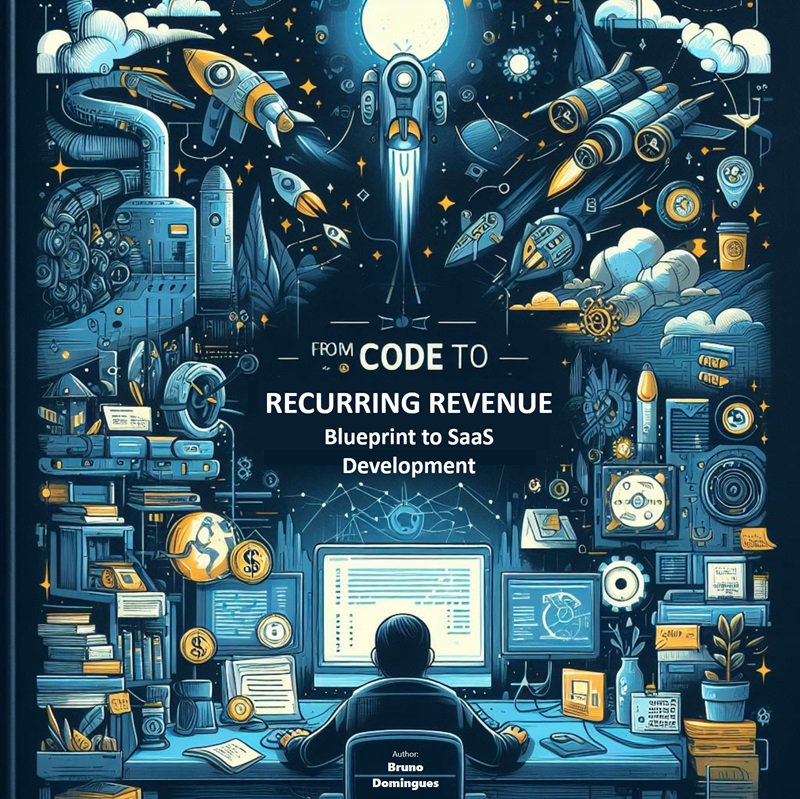
From From Code to Recurring Revenue

What are the essential steps for developers to build a SaaS business?

Developers can build a successful SaaS business by identifying a niche market, developing a minimum viable product (MVP), validating the product with potential customers, iterating based on feedback, implementing a scalable infrastructure, and focusing on customer acquisition and retention. Additionally, prioritizing security, data privacy, and compliance with regulations is crucial to building trust with customers.

Building a successful SaaS (Software as a Service) business involves several essential steps for developers.

Firstly, developers need to identify a niche market with specific pain points or needs that their SaaS product can address.

By focusing on a niche market, developers can differentiate their product and attract a more targeted customer base.

Once developers have identified a target market, they should develop a minimum viable product (MVP) that addresses the core needs of their target customers.

The MVP should be simple, yet functional, allowing developers to gather feedback and iterate on their product based on real user experiences.

After developing the MVP, developers need to validate their product with potential customers.

This involves conducting market research, engaging with early adopters, and gathering feedback to assess the product-market fit.

By validating the product early on, developers can ensure that there is demand for their SaaS solution and make necessary adjustments before scaling.

Iterating based on customer feedback is crucial for building a successful SaaS business.

Developers should continuously refine their product based on user insights and market trends.

This iterative approach allows developers to stay responsive to customer needs and preferences, ultimately improving the value proposition of their SaaS product.

In addition to product development, developers need to focus on implementing a scalable infrastructure to support their SaaS business.

This includes building a robust backend architecture, implementing cloud services for scalability and reliability, and ensuring high availability and performance of the SaaS application.

Furthermore, developers should prioritize customer acquisition and retention strategies to drive growth and sustain their SaaS business.

This may involve implementing effective marketing campaigns, offering competitive pricing plans, providing excellent customer support, and leveraging referral programs to expand their customer base.

Security, data privacy, and compliance with regulations are also critical considerations for developers building a SaaS business.

Customers expect their data to be secure and handled in accordance with privacy regulations.

Therefore, developers need to implement robust security measures, such as encryption, access controls, and regular security audits, to build trust with customers and protect sensitive information.

In summary, developers can build a successful SaaS business by identifying a niche market, developing an MVP, validating the product with potential customers, iterating based on feedback, implementing a scalable infrastructure, and focusing on customer acquisition and retention.

By prioritizing security and compliance with regulations, developers can build trust with customers and establish a strong foundation for their SaaS business.
More

Related questions

01 What is a Software as a Service (SaaS) company? 02 What are the benefits of a SaaS business model? 03 How does a SaaS company make money? 04 What is the difference between a SaaS and a traditional software company? 05 What are some examples of successful SaaS companies? 06 How do I get started with building a SaaS company? 07 What are the key components of a SaaS business model? 08 What are the challenges of building a SaaS company? 09 How do I measure the success of my SaaS business? 10 What are some common SaaS metrics? 11 How do I optimize my SaaS pricing strategy? 12 What are some best practices for building a SaaS company? 13 How do I create a SaaS business plan? 14 What are some common SaaS customer pain points? 15 How do I create a SaaS marketing strategy? 16 What are some best practices for SaaS customer support? 17 How do I create a SaaS sales strategy? 18 What are some common SaaS sales challenges? 19 How do I create a SaaS product roadmap? 20 What are some best practices for building a SaaS team? 21 How do I create a SaaS financial model? 22 How do I create a SaaS customer success strategy? 23 What are some best practices for SaaS product development? 24 How do I create a SaaS go-to-market strategy? 25 What are some common SaaS go-to-market challenges? 26 How do I create a SaaS business plan template? 27 How do I create a SaaS customer advocacy program? 28 What are some common SaaS customer advocacy challenges? 29 How do I create a SaaS marketing automation strategy? 30 How do I create a SaaS sales forecasting model? 31 What are some common SaaS sales forecasting challenges? 32 How do I create a SaaS product roadmap template? 33 What are some best practices for building a SaaS customer support team? 34 How do I create a SaaS customer success strategy template? 35 What are some common SaaS customer success challenges? 36 What are some best practices for building a SaaS sales team? 37 How do I create a SaaS financial model template? 38 What are some common SaaS financial challenges? 39 How do I create a SaaS customer advocacy program template? 40 What are some best practices for building a SaaS community? 41 How do I create a SaaS marketing automation strategy template? 42 What are some common SaaS customer engagement challenges? 43 How do I create a SaaS sales forecasting model template? 44 What are some best practices for building a SaaS product development team? 45 How do I create a SaaS go-to-market strategy template? 46 What is SaaS development? 47 How does SaaS differ from traditional software? 48 What are the benefits of SaaS development? 49 How do I get started with SaaS development? 50 What are the key differences between B2B and B2C SaaS products? 51 How do I measure the ROI of my SaaS product's marketing efforts? 52 What is the role of customer support in SaaS development? 53 How do I develop a successful customer retention strategy for my SaaS product? 54 What is the importance of data-driven decision making in SaaS development? 55 What are some best practices for onboarding new users to a SaaS product? 56 What are some effective pricing strategies for SaaS products? 57 How do I ensure the security and privacy of my SaaS product? 58 What are the challenges of scaling a SaaS business and how can they be addressed? 59 How can I leverage partnerships to grow my SaaS business? 60 What are some effective strategies for SaaS product marketing? 61 How do I create a robust customer support system for my SaaS product? 62 What are the challenges of scaling a SaaS business, and how can they be overcome? 63 How can I leverage user feedback to improve my SaaS product? 64 What are some key metrics to track for a SaaS business? 65 How can I ensure data security for my SaaS application? 66 What role does data analytics play in SaaS product development? 67 How can I improve user engagement with my SaaS product? 68 What are the benefits of using a subscription-based pricing model for SaaS? 69 How can I optimize the performance of my SaaS application? 70 What is the importance of scalability in SaaS development? 71 What are the key differences between freemium and premium SaaS pricing models? 72 How do I measure the success of my SaaS product's customer acquisition? 73 What is the role of customer experience in SaaS development? 74 What are the key differences between B2B and B2C SaaS product development? 75 How do I measure the ROI of my SaaS product's customer support efforts? 76 What is the importance of user experience in SaaS development? 77 How do I develop a successful go-to-market strategy for my SaaS product? 78 What are the key differences between freemium and premium SaaS products? 79 How do I measure the success of my SaaS product's customer retention? 80 What is the role of marketing automation in SaaS development? 81 How do I develop a successful customer success strategy for my SaaS product? 82 What are the key differences between B2B and B2C SaaS marketing? 83 What is the SaaS landscape? 84 How does SaaS impact businesses? 85 What are the key trends in the SaaS industry? 86 How do businesses choose the right SaaS solution? 87 What are the potential challenges of adopting SaaS? 88 What are the advantages of SaaS over traditional software? 89 What are the different pricing models for SaaS? 90 What are some best practices for implementing SaaS? 91 What are the security considerations when adopting SaaS? 92 How can businesses ensure data privacy when using SaaS? 93 What are the key considerations for migrating to SaaS? 94 What are the long-term benefits of adopting SaaS? 95 What are the key factors to consider when choosing a SaaS provider? 96 How can businesses ensure compliance when using SaaS? 97 What are the key steps in prototyping a SaaS product? 98 How can I effectively prototype my SaaS product? 99 What are the benefits of prototyping a SaaS product? 100 What are common challenges in prototyping a SaaS product? 101 What are the essential elements of a successful SaaS product prototype? 102 How can user feedback be effectively incorporated into the prototyping process? 103 What are the advantages of rapid prototyping in SaaS development? 104 What are some best practices for prototyping a SaaS product? 105 What role does user feedback play in prototyping a SaaS product? 106 How does prototyping contribute to the success of a SaaS product? 107 What are some common pitfalls to avoid when prototyping a SaaS product? 108 How can prototyping contribute to innovation in SaaS development? 109 What are the key considerations for selecting a prototyping tool for SaaS development? 110 How can prototyping help mitigate risks in SaaS development? 111 What role does prototyping play in user-centered design? 112 What are some key metrics to track during the prototyping phase of SaaS development? 113 How does prototyping contribute to product innovation in SaaS development? 114 What role does prototyping play in reducing time-to-market in SaaS development? 115 How can prototyping help improve user experience in SaaS development? 116 How to transition from coding to entrepreneurship? 117 What are some key considerations for developers transitioning to entrepreneurship? 118 What are the main challenges developers face when building a SaaS business? 119 What are some strategies for developers to overcome challenges in building a SaaS business? 120 What are the benefits of transitioning from coding to entrepreneurship? 121 What are some common mistakes developers make when transitioning to entrepreneurship? 122 How can developers leverage their coding skills in entrepreneurship?